
August 25, 2026
Agency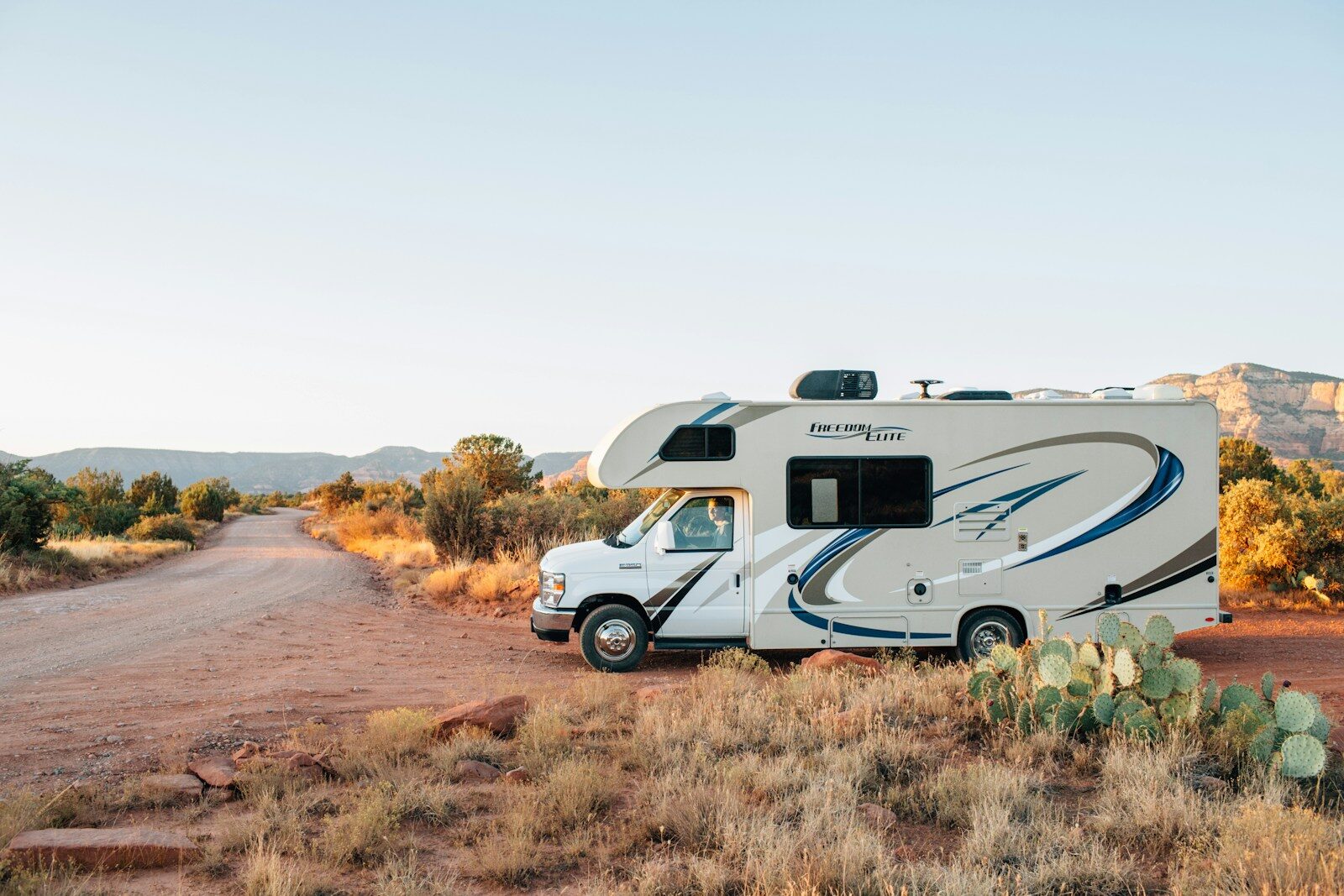
Understanding the Difference Between Motorhome and Travel Trailer Coverage
Owning a recreational vehicle (RV) comes with financial exposures that may vary depending on how your rig moves down the road. Whether you drive a motorhome or tow a travel trailer, it shapes everything about how your RV gets insured. Choosing the wrong coverage type can leave gaps you may not discover until you need to file a claim.
The Primary Distinction: Drivable vs. Towable
A motorhome is a self-propelled vehicle, which means it often require its own RV insurance policy. That policy typically offers liability, collision, comprehensive and uninsured/underinsured motorist coverage, among others.
A travel trailer, by contrast, can be towed by another vehicle. Owners and drivers may assume that their existing auto policy extends full coverage to the trailer. While some liability coverage may apply while towing the RV, physical damage coverage for the trailer itself typically requires a separate policy or endorsement.
Key Coverage Considerations for Florida RVers
For RV owners in Jacksonville, FL and beyond, a few coverage areas may deserve close attention. Full-timer coverage may apply when an RV is a primary residence. Vacation liability coverage can offer financial protection if someone is injured at your campsite. Roadside assistance and emergency expense coverage can cover lodging or transportation costs if your vehicle breaks down while you’re on the road.
Work With an Agent Who Knows RV Coverage
Our agents can help you compare policies across multiple carriers and match coverage to how you use your RV, whether that’s occasional weekend trips or months on the road.
Contact Gator Auto Insurance Agency Inc to review your RV coverage and request a personalized quote.
This blog is intended for informational and educational use only. It is not exhaustive and should not be construed as legal advice. Please contact your insurance professional for further information.
Categories: Blog, RV Insurance